ATHENA:Blood Twins
- 4.6
- Rating
- 1.00M
- Installs
- Free
- Price
 Analysis by App-foxy
ATHENA:Blood Twins is a free role-playing game from Efun Game Ltd. that immediately caught my attention with its mythic name and its promise of a special SSR hero. I spent time looking at it as a player rather than treating the store text as a recommendation, and my view is fairly simple: it is aimed at people who enjoy character collecting, steady progression, and the excitement of building a roster over time. It is less suitable if you want a compact story game that can be finished without spending attention on upgrades, materials, and long-term account decisions.
The game is available for Android devices running version 8.0 or later, carries a Teen content rating, and is free to download. Its current version is 1.4.9. The public response is encouraging, with a 4.6 average from around 88 thousand ratings and more than a million installs. Those figures suggest that the game has found a sizeable audience, although popularity alone does not tell me whether its progression will feel comfortable for every player.
How ATHENA:Blood Twins feels to play over time
My first impression is that this is the sort of RPG designed around repeated short sessions rather than one long uninterrupted adventure. That makes it easy to fit into a daily routine. I can imagine opening it during a commute, checking the roster, using available resources, and then returning later when another upgrade or reward becomes available. The trade-off is that this style of game can feel more like account management than traditional role-playing once the initial excitement fades.
You May Also Like

 Blood Strike: 2.5 Anniversary
Blood Strike’s Loadouts Turn Every Drop Into a Tactical Gamble
A close look at Blood Strike’s custom loadouts: how fast access to signature weapons reshapes its battle royale rhythm, rewards preparation, and narrows the gap between fights.

 Pandora - Music & Podcasts
Pandora’s Music Is Easy to Start, but Harder to Recover
Pandora’s strength is its low-effort path from a seed to a station. Its weak spot is how much confidence it asks you to place in connection, setup, and quiet recovery.

 8 Ball Pool
 Is Built on Rivalries, Rematches, and Routine
A close look at the rivalries, rematches, shared routines, and unanswered safety questions that turn a quick pool match into a persistent mobile community.

 Samsung Music
’s Quiet Strength Is Playing What You Already Own
Its reach comes less from spectacle than from dependable access to a personal library. That simplicity is both the app’s strongest retention engine and its ceiling.

 AccuWeather: Weather Radar
AccuWeather Review: A Quick, Clear Forecast for Everyday Decisions
For everyday plans, the best forecast is the one you can understand quickly. AccuWeather makes rain timing, radar, and local conditions easy to act on, with a few trade-offs.

 Hill Climb Racing
Why Hill Climb Racing Still Turns Crashes Into One More Run
A tiny car, a bumpy hill and one more upgrade: Hill Climb Racing keeps resurfacing because its simple chaos makes every near-miss feel personal.
More From Our News Desk
View All News


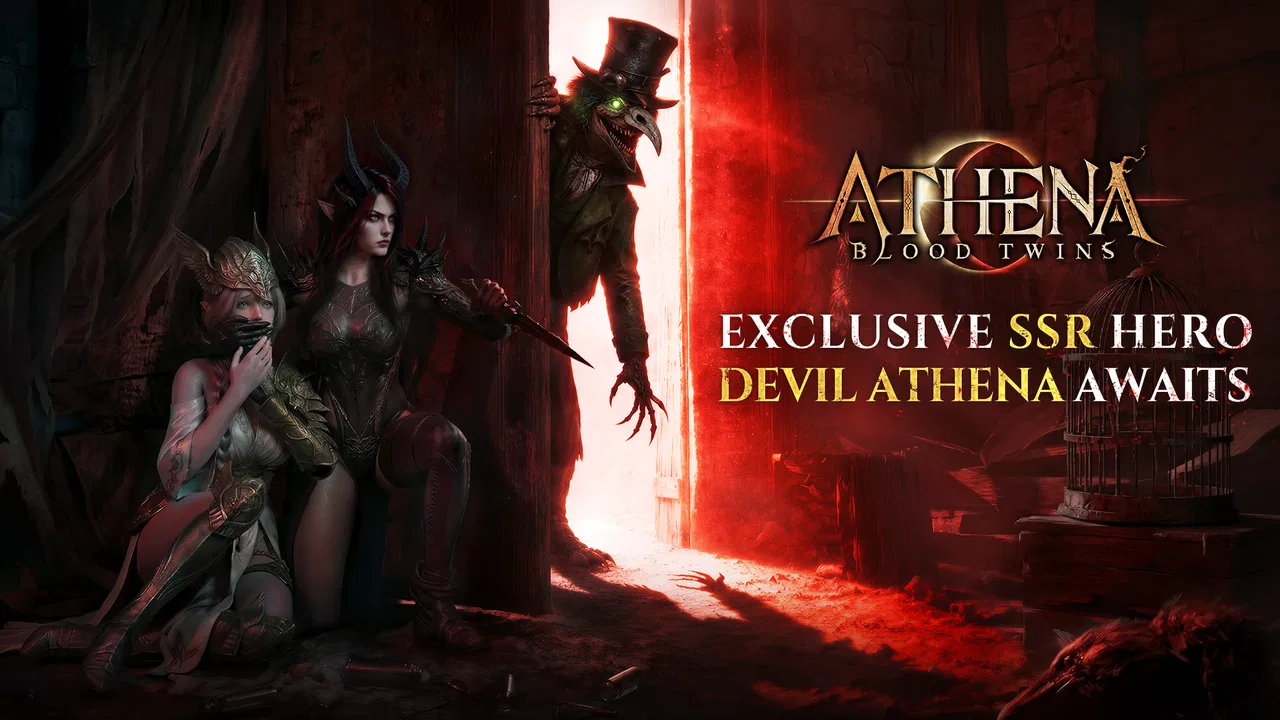
The most important early decision is not simply which character looks strongest. It is deciding where to concentrate limited resources. In a hero-collection RPG, spreading upgrades across every new arrival usually creates a wide but shallow team. A more practical approach is to identify a small core group, improve them consistently, and keep reserve characters available for situations where a different role is useful. That habit matters especially when the game introduces an attractive SSR character such as Devil Athena, because a rare hero can still be inefficient if the rest of the team cannot support the investment.
I would treat the exclusive hero offer as a reason to try the game, not as proof that the whole experience will be generous. A launch reward can make the opening hours smoother, but long-term satisfaction depends on what happens after the first powerful addition. Before committing valuable materials, I would check whether the hero fits the team I actually use, whether duplicate copies are important, and whether upgrading equipment or skills offers a better improvement. Those are the kinds of choices that separate a comfortable account from one that constantly feels underpowered.
A realistic everyday session might look like this: I have ten minutes before work, collect what is ready, improve one character rather than spending everything immediately, and leave the game. Later, I return with a clearer goal and use the saved resources on a specific obstacle. This approach is healthier than tapping through every available option as soon as it appears. It also helps reveal whether the game respects short sessions or repeatedly pushes me toward longer periods of play.
One useful habit is to keep a simple mental record of three things: the team I rely on, the resource needed for its next meaningful improvement, and the characters I am deliberately leaving untouched. That sounds basic, but it prevents the common mistake of spending rare materials on a temporary experiment. In a roster-based RPG, restraint is often more valuable than collecting every possible upgrade.
Progression is exciting, but it can create pressure
The appeal of this format comes from visible growth. A character who struggled at the beginning can become dependable after several improvements, and each new hero creates another possible team arrangement. I enjoy that sense of gradual ownership because it gives ordinary rewards a purpose. Even a small resource feels useful when I know exactly which upgrade it supports.
The downside is that progression can become psychologically demanding. A game may be free to start while still asking the player to make frequent decisions about time, patience, and spending. ATHENA:Blood Twins has in-app purchases ranging from $0.29 to $299.99 per item. That is a very wide range, so I would approach the store carefully and decide on a personal limit before browsing offers. The presence of a high-priced item does not by itself prove that spending is required, but it does make self-control important.
I would not recommend buying anything during the first session. The opening period is when a player has the least understanding of the game’s long-term priorities. It is better to learn which heroes remain useful, which materials are difficult to replace, and whether progress feels satisfying without payment. If the game still feels enjoyable after that test, a small purchase can be considered as entertainment rather than as an emergency solution to a problem created by poor early choices.
Another practical tip is to separate “I want this character” from “I need this character.” Those feelings are easy to confuse when a rare hero is presented with a limited-looking opportunity. Wanting Devil Athena is a perfectly reasonable part of the game’s appeal, but the decision should still fit the team and the player’s budget. If obtaining one hero makes every later upgrade feel unaffordable, the short-term excitement may not be worth the longer frustration.
Players who dislike waiting should be especially cautious. Collection RPGs often reward patience, while players who try to accelerate every step can turn a free game into an expensive habit. I cannot fairly claim that ATHENA:Blood Twins requires payment to progress, and I would not present the purchase range as evidence of that. What I can say is that the pricing structure makes it wise to play slowly first and judge the game on its normal rhythm.
Fairness depends on how competition is handled
Competitive fairness is the area where I would want the most personal testing before forming a firm conclusion. The available facts establish that the game is a role-playing title with optional purchases, but they do not establish how its competitive modes work, how matchmaking is handled, or how much paid progression affects results. I would not invent an answer to those questions. Instead, I would advise players to watch their own experience: do victories come from planning and team choices, or does progress repeatedly feel tied to having newer and more expensive characters?
For me, a fair competitive environment does not require every player to own the same roster. It does require meaningful alternatives. If a player can succeed through careful team building, timing, and efficient resource use, spending becomes a shortcut or convenience rather than the only realistic route. If the strongest outcomes consistently depend on paid pulls or repeated upgrades, free players may still enjoy the collection side but should lower their expectations about competition.
That distinction is important because different players want different things. Someone who mainly enjoys unlocking heroes and improving a personal team may be perfectly happy without chasing the top of a ranking system. Someone who wants to compete seriously should examine the cost of staying current before investing emotionally or financially. I would begin with a free account, learn the pace, and avoid treating early success as proof that the same approach will remain competitive later.
A good rule is to spend resources only after identifying the bottleneck. If the problem is weak damage, adding another damage dealer may not help if the team lacks protection or control. If the problem is survival, a defensive improvement may produce more value than a flashy new character. This kind of analysis gives free players a fairer chance because it reduces waste. It also helps paying players avoid buying solutions that do not address the real weakness in their roster.
The game’s 4.6 average and broad install base make it worth investigating, but they should not replace personal judgment about fairness. Ratings capture many different experiences, and a player focused on competitive balance may judge the title differently from someone who only wants a casual collection game. I would read the overall reception as a reason to try it, not as a guarantee that every spending level will feel equally comfortable.
What I would check before investing seriously
There are several questions I would answer through play before deciding whether ATHENA:Blood Twins deserves a permanent place on my phone. First, I would find out how quickly the opening rewards run out and whether the normal progression remains enjoyable afterward. Early generosity can create a strong first impression, but the real test is the routine that follows.
Second, I would observe how clearly the game explains its upgrade systems. A complicated RPG can still be welcoming if it shows what each resource does and warns me before an irreversible choice. If the interface presents many currencies or upgrade paths without enough context, I would slow down and avoid spending rare materials until I understand their purpose.
Third, I would test whether a small, consistent team can remain useful. This is more important to me than the number of characters available. A large roster is exciting, but it becomes tiring if every new release makes previous investments feel obsolete. I would rather have a few dependable heroes with room for creative combinations than a collection that constantly demands replacement.
Fourth, I would pay attention to how the game treats players who take breaks. A title that punishes a missed day can feel like a chore, while one that lets me return without losing all momentum is easier to recommend to busy adults. This is also where the game’s short-session potential becomes meaningful: convenience matters only if the routine remains manageable.
Finally, I would decide whether the visual and thematic presentation itself is enough to keep me interested. The ATHENA identity and the Devil Athena offer provide a strong hook, but a hook is not a complete reason to stay. The long-term value has to come from the decisions between summons, upgrades, and battles. If those choices feel rewarding, the theme has a solid foundation; if they feel repetitive, the initial character appeal may not last.
Who should play it, and who should skip it
I would recommend this game to players who enjoy building a roster gradually, comparing heroes, and making careful decisions with limited resources. It is also a reasonable choice for someone who wants a free RPG to sample in short sessions instead of buying a premium game upfront. The Teen rating makes it more appropriate for older children and adults than for very young players, and anyone considering it should still use their own judgment about in-app purchases.
I would be more cautious about recommending it to players who want a complete, story-led adventure with a clear ending. It is also not my first choice for someone who dislikes randomized collection systems, recurring upgrade tasks, or the temptation of large optional purchases. A traditional single-player RPG may be better for that audience because its progress is usually easier to understand from the beginning and less dependent on maintaining a long-term roster.
Compared with a standard action RPG, ATHENA:Blood Twins is likely to appeal more to planners than to players seeking constant direct control. The satisfaction comes from preparing a team and improving it, not merely from reflexes during every encounter. Compared with a simple idle-style game, it asks for more attention because character choices and resource priorities matter. That middle ground is its strongest potential identity, but it will not suit anyone who wants either pure action or completely hands-off progress.
My spending advice is straightforward: begin at zero cost, use the opening opportunity to understand the game, and set a limit before visiting the purchase screen. The available items range from a few cents to nearly three hundred dollars, so the safest approach is to treat every purchase as optional entertainment. I would never borrow money, chase a disappointing result, or buy simply because a reward is presented as exclusive.
The best way to judge ATHENA:Blood Twins is to test whether its free progression feels rewarding before paying to accelerate it. That single check answers more than the promotional hook does. If I enjoy improving a focused team and can accept a slower pace, the game has enough appeal to justify regular sessions. If I feel pressured to spend before I understand the systems, I would stop and choose a different RPG.
My verdict after weighing the invitation and the risks
ATHENA:Blood Twins has a clear audience and a strong starting invitation. The free entry, the SSR hero offer, the established response from players, and the accessible Android requirement make it easy to try. I like the idea of beginning with a distinctive character and then learning how to build around that advantage rather than immediately chasing every new possibility.
At the same time, I would not describe it as a carefree free game. The purchase range is substantial, and the collection format naturally creates pressure to keep improving. Because the available information does not establish the exact relationship between spending and competitive success, I would avoid promising that the game is fully fair for free players or that payment is necessary. The honest position is to play first, observe the progression, and decide based on personal comfort.
For my own recommendation, I would say yes to trying it, but no to rushing into purchases. Keep the early roster focused, save valuable materials until their purpose is clear, and judge the game after the initial excitement of the exclusive hero has settled. If the daily loop still feels satisfying at that point, the title may become a pleasant long-term RPG. If it starts to feel like a series of demands, a more traditional premium role-playing game will probably be the better fit.
Overall, Efun Game Ltd. has created a game that is easy to sample and potentially rewarding for patient roster builders. I would recommend downloading it to curious fans of character-collection RPGs, especially those who enjoy planning more than constant action. I would skip it if I wanted a fixed-price experience, a short campaign, or a competitive environment whose spending requirements were completely transparent from the start. For everyone else, the sensible verdict is to enjoy the free opening, protect your budget, and let the quality of the progression—not the promise of one rare hero—decide whether you stay.
FAQs for ATHENA:Blood Twins
01What is ATHENA: Blood Twins about?
ATHENA: Blood Twins is an action-packed RPG that immerses players in a dynamic world of mythological combat. Players take control of two twin protagonists, utilizing their unique abilities to battle through various challenges. The game combines captivating storytelling with strategic gameplay, making it a must-download for fans of immersive role-playing games.
02Is ATHENA: Blood Twins free to play?
Yes, ATHENA: Blood Twins is free to download and play. However, it does offer in-app purchases that players can use to enhance their gaming experience. These purchases are optional and can provide additional resources or cosmetic upgrades, allowing players to customize their journey through the game.
03What platforms support ATHENA: Blood Twins?
ATHENA: Blood Twins is available on both Android and iOS platforms. This ensures a broad reach, enabling users of a wide range of devices to enjoy the game. The app is optimized for smooth performance across different operating systems, offering a seamless gaming experience.
04Does ATHENA: Blood Twins require an internet connection?
ATHENA: Blood Twins primarily requires an internet connection to access its multiplayer features and updates. However, there are elements of the game that can be enjoyed offline, allowing players to continue their adventure even without a constant internet connection.
05What are the system requirements for ATHENA: Blood Twins?
For optimal performance, ATHENA: Blood Twins requires Android devices with at least 2GB RAM and Android 5.0 or higher. iOS devices should be running iOS 10.0 or later. Ensuring your device meets these specifications will provide a smoother and more enjoyable gaming experience.
Pros
- Engaging storyline with immersive narrative.
- Stunning graphics and detailed environments.
- Smooth gameplay with intuitive controls.
- Diverse character customization options.
- Frequent updates keep content fresh.
Cons
- Some levels may feel too challenging.
- Occasional in-app purchases needed.
- Requires a stable internet connection.
- Large download size may be an issue.
- Battery consumption is relatively high.

ATHENA:Blood Twins
Gallery